
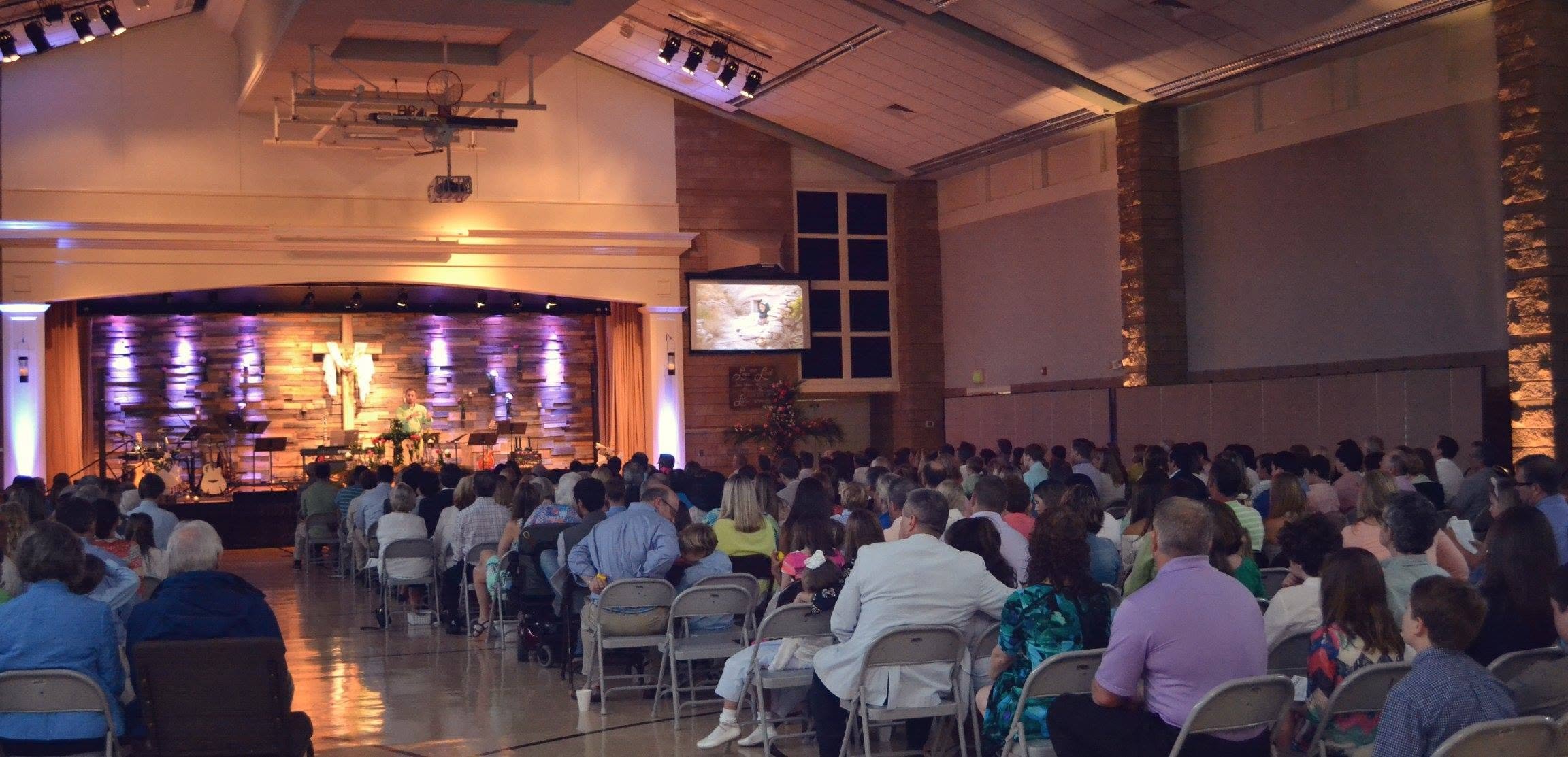
In 2016, I was serving as an associate pastor at a thriving church on the South Carolina coast. I had been entrusted with launching a new worship environment called The Harbor, and by almost every conventional measure, things were going remarkably well.
In just two years, we had grown to two services. People were responding. The graphs were moving up and to the right. For a Methodist pastor, it was an enviable appointment. A great church, wonderful people, and a location on the inlet where people came to vacation.
I should have been thrilled. And in many ways, I was. But something was bothering me.
I had spent nearly two decades preparing for and serving in pastoral ministry. I loved the Church. I believed in its mission. I had given my adult life to helping people know and follow Jesus.
Yet the longer I served, the harder it became to ignore a troubling observation:
I felt like the Christian Church was failing men, and Christian men were failing the Church.
That may sound harsh. It wasn't an indictment of every church or every Christian man. I knew too many faithful examples of both.
But somewhere along the way, I feared we had lowered the bar for what it meant to be a Christian man. Show up on Sunday. Look the part. Participate when asked. And we were satisfied.
Meanwhile, too many men were living lives of quiet desperation. Struggling in their marriages, uncertain of their purpose, and carrying burdens no one else knew existed.
We had made it possible for men to be considered faithful Christians without ever taking responsibility for the faith of another person.
They knew how to show up. But did they know how to show up for one another?
Around that same time, I was seeing something different.
My friend Willie Lee invited me to join a group of teenagers gathered by boat at the point of Murrells Inlet. He also organized a father-son weekend at his family farm.
What struck me wasn't simply the adventure. It was watching ordinary men take ownership of the opportunity. Men showed up with their boats to get kids out on the water. Fathers gathered at the farm and gave their children something increasingly rare: their undivided attention.
Standing along the water, I was reminded of the way Jesus engaged his disciples. On shorelines, in boats, and in the ordinary experiences of life. Discipleship wasn't confined to a religious gathering. It happened as people shared life together.
None of this was new or particularly complicated. In fact, it felt familiar. I've always felt most comfortable doing life with people in the rawness of shared experiences, especially when there's an element of adventure.
Willie and the other men weren't waiting for someone to create a church program. They were using what they had, making themselves available, and taking responsibility for the people within their reach.
And I began wondering what might happen if more men recognized they could do the same. That question began to challenge some of my assumptions about how we did ministry.
I wasn't questioning the importance of worship, biblical teaching, or the gathered Church. I had devoted my life to those things.
But I was beginning to wonder whether the expectations placed on pastors, and the expectations we placed on the men in our churches, were keeping us from something essential.
We were very good at gathering people into rows. But I was beginning to see the limitations of a ministry model built primarily around getting people into them.
Men needed circles, too. Places where they could be known, challenged, and encouraged. And where they could learn to take responsibility for someone else's faith.
The irony wasn’t lost on me.
We were Methodists, after all.
But what if some of our methods weren’t working?
The demands of maintaining a thriving church consumed much of my time and attention. And the more I thought about what men needed, the more I realized that I had very little room to experiment with something different.
I didn’t have a new ministry model in my back pocket. No curriculum. No business plan. I certainly didn’t know that this conviction would eventually lead me away from the vocational path I had spent most of my adult life pursuing.
I just couldn’t stop asking the question: What would it look like to help men become disciples who make disciples, not merely men who attend church?
Looking back, I’ve come to recognize that season as a kind of holy discontent. Not because things were failing. But because I was beginning to realize that we could be succeeding by the measures we were using while still falling short of something essential.
That question didn’t give me an immediate answer. But it changed what I was looking for. And eventually, it changed the direction of my life.
